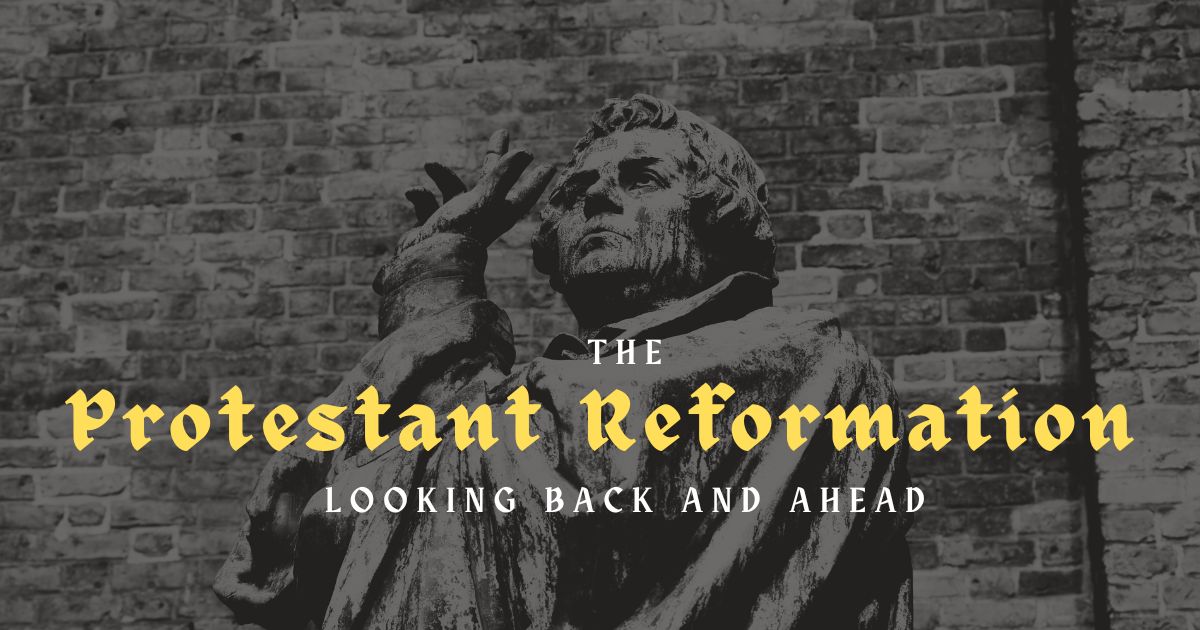
Oct 30, 2024 | The Protestant Reformation: Looking Back and Ahead
What is the Continued Impact of the Protestant Reformation?
Oct 28, 2024
The Protestant Reformation: Looking Back and Ahead
What Are the Five Solas of the Protestant Reformation?
Many of the beliefs that protestants hold dear today found their greatest clarification in the teaching of the reformers. The summary of the most important of these doctrines have been crystallized into what theologians call the Solas (from the Latin sola, “alone”). While there are many, five solas rise to the top as the most important.
Oct 25, 2024
The Protestant Reformation: Looking Back and Ahead
Who Were the Heroes of the Protestant Reformation (Continued)?
In the previous article, I wrote about John Wycliffe, “The morning star of the Reformation.” He was responsible for beginning the movement to give the Bible to people in their own language rather than restricting access to the Bible solely to the professional clergy of the Roman Catholic Church. As the Reformation continued to spread across Europe and around the world, a young Frenchman, John Calvin, was encouraged to enter the Catholic priesthood. Studying for the priesthood in Paris, by 1527 Calvin had developed friendships with individuals who were reform-minded, setting the stage for his eventual conversion. Calvin's father then advised him to study law rather than theology, recognizing that he would earn more money as a lawyer than a priest.
Oct 23, 2024
The Protestant Reformation: Looking Back and Ahead
Who Were the Heroes of the Protestant Reformation?
In the first installment of this series of articles, I briefly explained that the Protestant Reformation—more commonly just “the Reformation”—consisted of an effort in 16th century Europe to reform the unbiblical teachings of the Roman Catholic Church regarding how a person was able to receive forgiveness of sin from God. The Roman Catholic Church demanded good works, money, and penance in order to secure God’s grace, while the reformers taught that “by grace you have been saved through faith. And this is not your own doing; it is the gift of God, not a result of works, so that no one could boast” (Ephesians 2:8-9).